High DSO days and aging A/R are draining dental group revenue. Learn how AI-powered agents recover aged claims and cut days in A/R—no new hires needed.
What is Fixing Aged Accounts Receivable in Your Dental Practice?
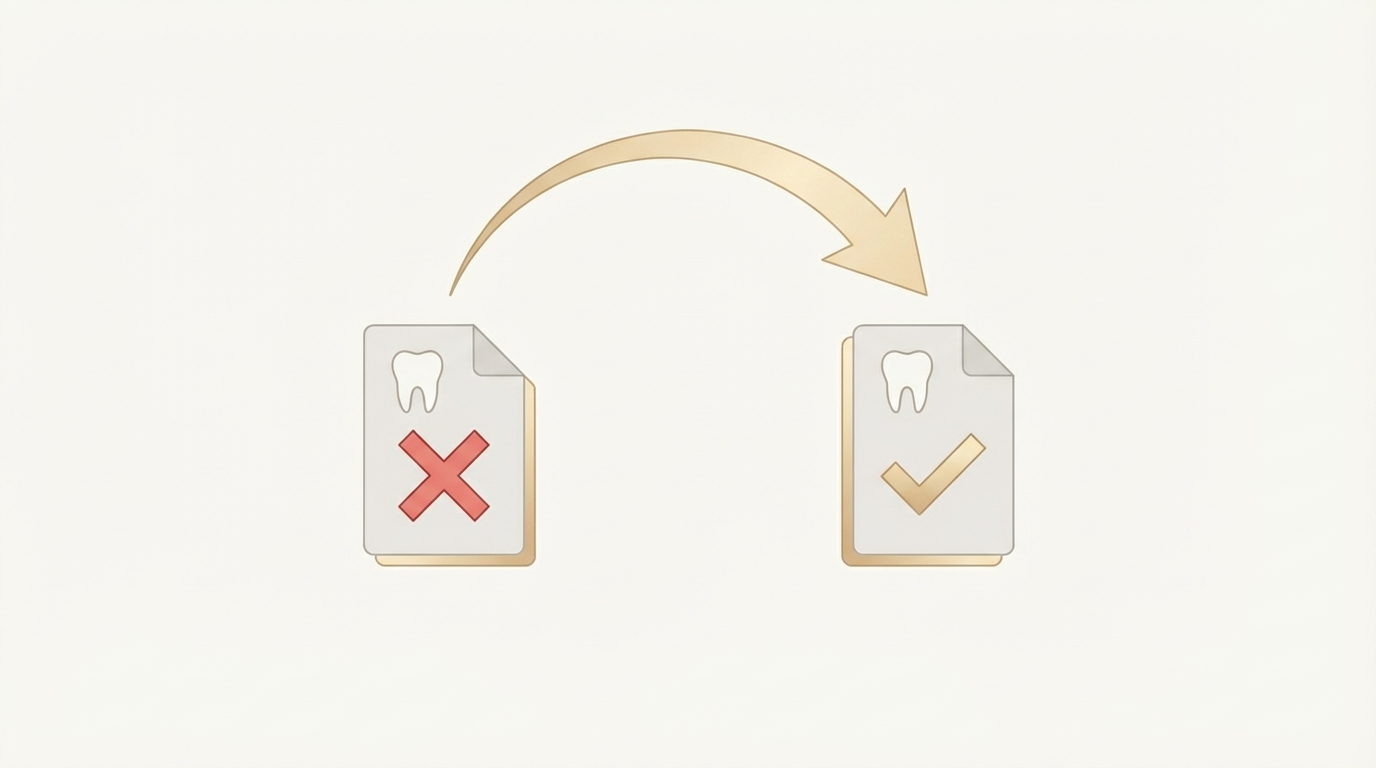
Fixing aged accounts receivable in a dental practice involves implementing strategies and technologies to efficiently manage and collect unpaid claims that are past due. This process is crucial for maintaining healthy cash flow and ensuring the financial stability of a practice. By utilizing advanced tools such as AI-powered billing automation, practices can drastically reduce the time it takes to follow up on aged accounts. For instance, Smilist was able to cut down their AR follow-up time from 90 days to under 24 hours using Ventus AI. This not only improves cash flow but also reduces the administrative burden on staff, allowing for more focus on patient care and other critical operations.
5 Steps to Reduce DSO Days Automatically
- Audit Your Aging Buckets – Use automation to pull a real-time snapshot of all claims by age (30, 60, 90, 120+ days) and identify the highest-value opportunities first.
- Prioritize High-Dollar Claims with AI Triage – Let intelligent claim triage rank your A/R by recovery potential, so your team focuses on what moves the needle.
- Deploy Automated AR Follow-up – Configure AI agents to check claim status daily, submit appeals, and update your PMS without human intervention.
- Set Escalation Rules for Exceptions – Define thresholds where automation flags a claim for human review, ensuring nothing falls through the cracks.
- Monitor DSO in Real-Time – Track your progress with live dashboards that show DSO trending downward as automation clears the backlog.
Comparison Table: Manual vs Automated Approaches
| Aspect | Manual Approach | Ventus Automated Approach | Before Metrics | After Metrics |
|---|---|---|---|---|
| Follow-up Time | 90 days average | Under 24 hours | High DSO, slow recovery | Reduced DSO, fast recovery |
| Cost per Claim | $6-$12 | $1-$3 | High follow-up costs | Reduced follow-up costs |
| Staff Involvement | High | Low | Overburdened staff | Focused on patient care |
| Error Rate | Higher due to manual entry | Lower due to automation | Frequent claim errors | Fewer claim errors |
| Revenue Recovery | 75-85% | 95-100% | Revenue loss | Maximized revenue recovery |
Customer Case Study
In a real-world application, Smilist successfully reduced their accounts receivable follow-up time from 90 days to under 24 hours by implementing Ventus AI. This dramatic improvement was achieved without adding more staff, demonstrating the power of AI in transforming traditional billing processes. By automating repetitive tasks, Smilist not only accelerated their cash flow but also significantly reduced overhead costs, ultimately leading to a more efficient and profitable operation.
The Problem: The Hidden Cost of Manual Follow-Ups
Every dental practice has a dirty secret hiding in their aging report. It's not just the unpaid claims—it's the cost of chasing them.
Consider the math:
- The average cost to manually work a single claim is $6-$12 when you factor in staff time, portal logins, phone holds, and documentation.
- A practice with 500 claims in the 60+ day bucket is spending $3,000-$6,000 per month just on follow-up labor.
- Meanwhile, 15-25% of those claims are written off because staff simply run out of time.
High DSO isn't just a cash flow problem—it's a profitability crisis. And the traditional playbook of "hire another biller" only adds to your overhead without addressing the root cause: manual processes don't scale.
Frequently Asked Questions
How does Dental RCM Automation work?
Dental RCM Automation uses AI-powered agents to handle repetitive billing tasks such as status checks, appeals, and data entry. The system interacts with payer portals to automatically update claim statuses and submit necessary documentation, freeing up staff time for more complex tasks.
What is the cost and ROI of implementing this technology?
Initial investment may vary based on the platform, but Dental RCM Automation typically operates on a flat or outcome-based fee. Practices can expect to see a reduction in DSO by 20-40% within 90 days, leading to significant cost savings and improved cash flow.
How long does it take to implement automation in a dental practice?
Implementation timelines can vary but typically range from a few weeks to a couple of months. Most platforms offer integration with existing Practice Management Systems (PMS) to streamline the process.
Is Dental RCM Automation compliant with industry regulations?
Yes, reputable Dental RCM Automation platforms are designed to comply with HIPAA and other relevant regulations, ensuring patient data is handled securely and ethically.
What kind of results can I expect from using Dental RCM Automation?
Practices using Dental RCM Automation have reported reduced follow-up times, increased revenue recovery, and improved operational efficiency. Smilist, for instance, reduced their AR follow-up time from 90 days to less than 24 hours using Ventus AI.
Can automation handle all types of claims?
While automation can process a wide range of claims, certain complex cases may still require human intervention. Automation systems are designed to escalate these exceptions to your team for review.
What happens if a claim requires human judgment?
Claims requiring human judgment are flagged by the automation system and escalated to your team with full context, ensuring they receive the necessary attention.
How does automation affect staff roles in the practice?
By automating repetitive tasks, staff can focus on higher-value activities such as patient interaction and resolving complex cases, enhancing overall service quality and job satisfaction.
DSOs with 50+ locations save 40% on RCM costs in the first 90 days.
Request an Enterprise AssessmentThe Niche Hook: How Automation Handles Dental Claim Triage
Not all aged claims are created equal. A $2,500 crown claim in the 90-day bucket deserves more attention than a $75 prophy claim at 45 days. But when your team is drowning in volume, everything gets treated the same—or worse, high-value claims get lost in the shuffle.
Dental Claim Triage is where automation truly shines. AI-powered systems can:
- Score claims by recovery probability using historical data on payer behavior, denial patterns, and appeal success rates.
- Segment your A/R by priority tier so your team knows exactly where to focus their limited time.
- Automatically work low-complexity claims while routing complex cases to specialists.
This isn't just efficiency—it's revenue optimization. By ensuring your highest-value claims get worked first and most thoroughly, you maximize collections without increasing labor costs.
Actionable Advice: Steps to Clean Up Your Aging Bucket
Ready to take control of your aged A/R? Here's a practical roadmap:
Week 1: Assessment
- Export your full aging report from your PMS.
- Calculate your current DSO and identify the total dollar value in each aging bucket.
- Document which payers represent the largest portion of aged claims.
Week 2: Prioritization
- Rank claims by dollar value × days outstanding.
- Identify the top 20% of claims that represent 80% of your aged A/R value.
- Flag any claims approaching timely filing deadlines.
Week 3: Automation Deployment
- Implement a Dental RCM Automation platform that supports your PMS and payer mix.
- Configure automated status checks for your highest-volume payers.
- Set up escalation rules for claims requiring human review.
Week 4 and Beyond: Optimization
- Monitor DSO weekly and track the reduction in each aging bucket.
- Refine automation rules based on which claim types resolve fastest.
- Reallocate staff time from follow-up tasks to patient care and complex case resolution.
Common Mistakes to Avoid
When transitioning to automation, practices often overlook a few critical points:
- Underestimating Training Needs: Ensure staff are well-trained on new systems to maximize efficiency.
- Ignoring Data Quality: Poor data entry can lead to automation errors, so maintain accurate records.
- Not Setting Clear Metrics: Define success metrics upfront to evaluate the impact of automation clearly.
Best Practices for Implementing Dental RCM Automation
- Start Small: Begin with a pilot program to refine processes before a full-scale rollout.
- Engage Stakeholders: Include staff in planning and decision-making to ensure buy-in and smoother transitions.
- Continuously Monitor Performance: Regularly review dashboards and metrics to identify areas for improvement.
- Stay Compliant: Regularly review compliance protocols to ensure adherence to industry standards.
Expected Timeline for Automation Implementation
Week 1-2: Preparation
- Assess current systems and identify automation needs.
- Select a platform that integrates with your existing PMS.
Week 3-4: Configuration
- Set up the automation platform with custom rules and escalation paths.
- Train staff on using the new system.
Week 5-6: Trial Run
- Conduct a trial run with a segment of claims to identify issues.
- Gather feedback and make necessary adjustments.
Week 7-8: Full Deployment
- Roll out automation across all claims.
- Begin monitoring performance metrics closely.
The Bottom Line: Work Smarter, Not Harder
Your dental practice shouldn't be held hostage by aging A/R. The solution isn't hiring more staff to do the same manual work—it's deploying Dental RCM Automation that works tirelessly in the background.
With Automated AR Follow-up, you can:
- Reduce DSO by 20-40% within 90 days
- Recover revenue that was previously written off
- Free your team to focus on patient experience and complex cases
- Scale your practice without scaling your payroll
The practices that thrive in 2026 and beyond won't be the ones with the biggest billing departments. They'll be the ones that leverage AI to do the repetitive work while their humans focus on what matters most.
See why scaling DSOs trust Ventus AI to automate claim statusing, denials, and AR follow-up.
Request a Demo and Free RCM AuditInternal Links:
- Explore more on dental RCM automation.
- Schedule a demo with our experts.
- Discover more case study articles.
Ready to Transform Your Dental RCM?
See how Ventus AI agents can automate your claim denial management and AR follow-up across all your locations in under 7 days—no complex integrations required.
Book Your Free Demo
Enterprise AI Automation for Healthcare RCM
Written by the Ventus AI team — healthcare RCM practitioners, automation engineers, and former revenue cycle leaders building AI agents that work as teammates alongside billing teams. Ventus is SOC 2 Type II certified and HIPAA compliant.