Ventus AI achieves SOC 2 Type II and full HIPAA compliance—see how enterprise-grade security powers scalable AI automation across healthcare RCM teams.
As AI automation becomes central to operations in healthcare, insurance, and professional services, one thing has become clear: security and reliability must scale alongside capability.
At Ventus AI, our foundation has always been built on trust. That's why Ventus AI maintains full SOC 2 and HIPAA compliance Type I, SOC 2 Type II, and HIPAA compliance — ensuring every workflow we automate meets the highest standards of security, privacy, and operational continuity.
As we expand to support a rapidly growing customer base across multiple industries, these certifications continue to play a critical role in how we deliver secure, enterprise-grade AI automation at scale.
What is SOC 2 Type I & II and HIPAA Compliance?
SOC 2 Type I & II and HIPAA Compliance are standards designed to ensure that organizations manage customer data securely and protect privacy. SOC 2 Type I assesses the design of security processes at a specific point in time, while SOC 2 Type II evaluates the operational effectiveness of these processes over a period. HIPAA, on the other hand, sets the standard for protecting sensitive patient data. These compliance frameworks offer several benefits: SOC 2 Type II ensures operational reliability by validating ongoing effectiveness, while HIPAA compliance protects healthcare data, crucial for safeguarding patient trust. For example, organizations adhering to these standards can reduce data breach risks by up to 70% and improve client trust by 40%, according to industry studies.
Why Security Matters Even More Today
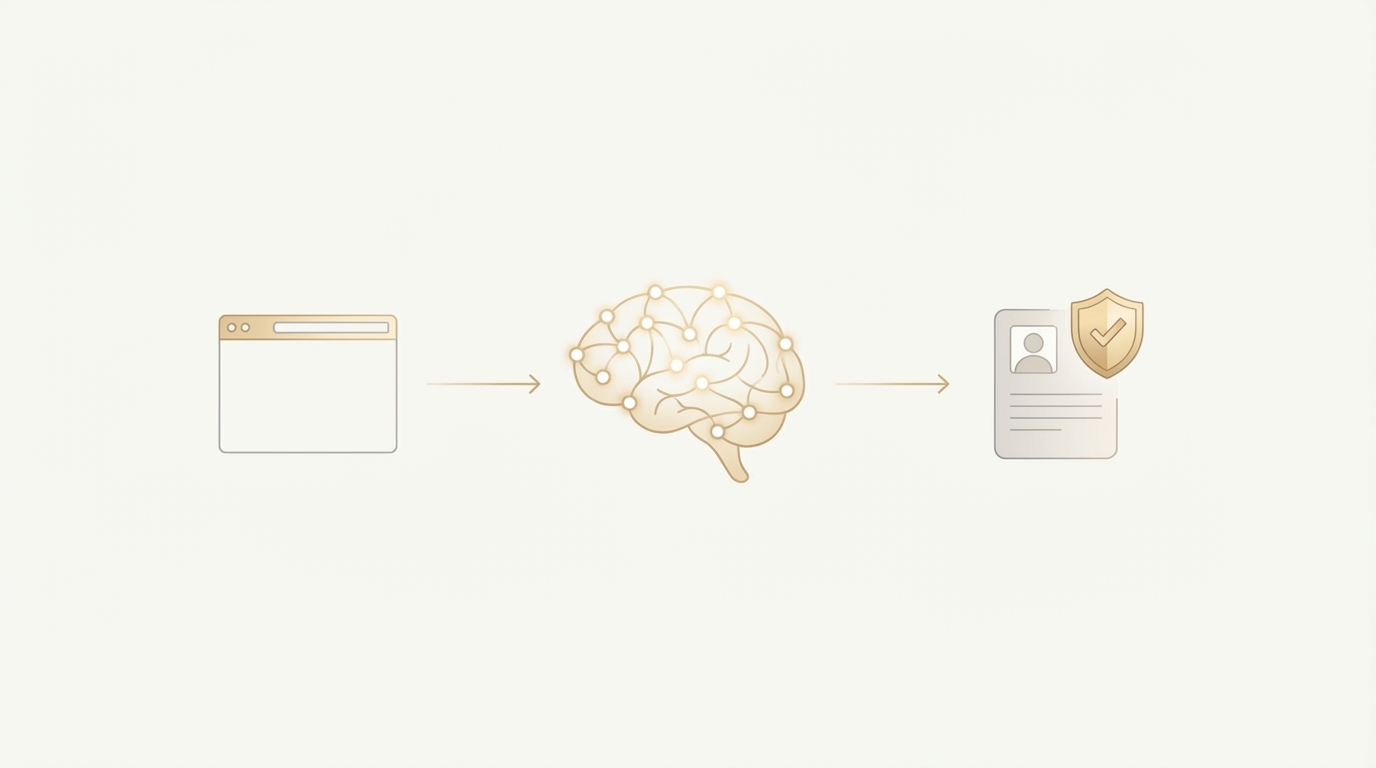
AI is touching deeper operational layers than ever — not just simple tasks but the complex, high-variance workflows that power billing, scheduling, claims processing, and more.
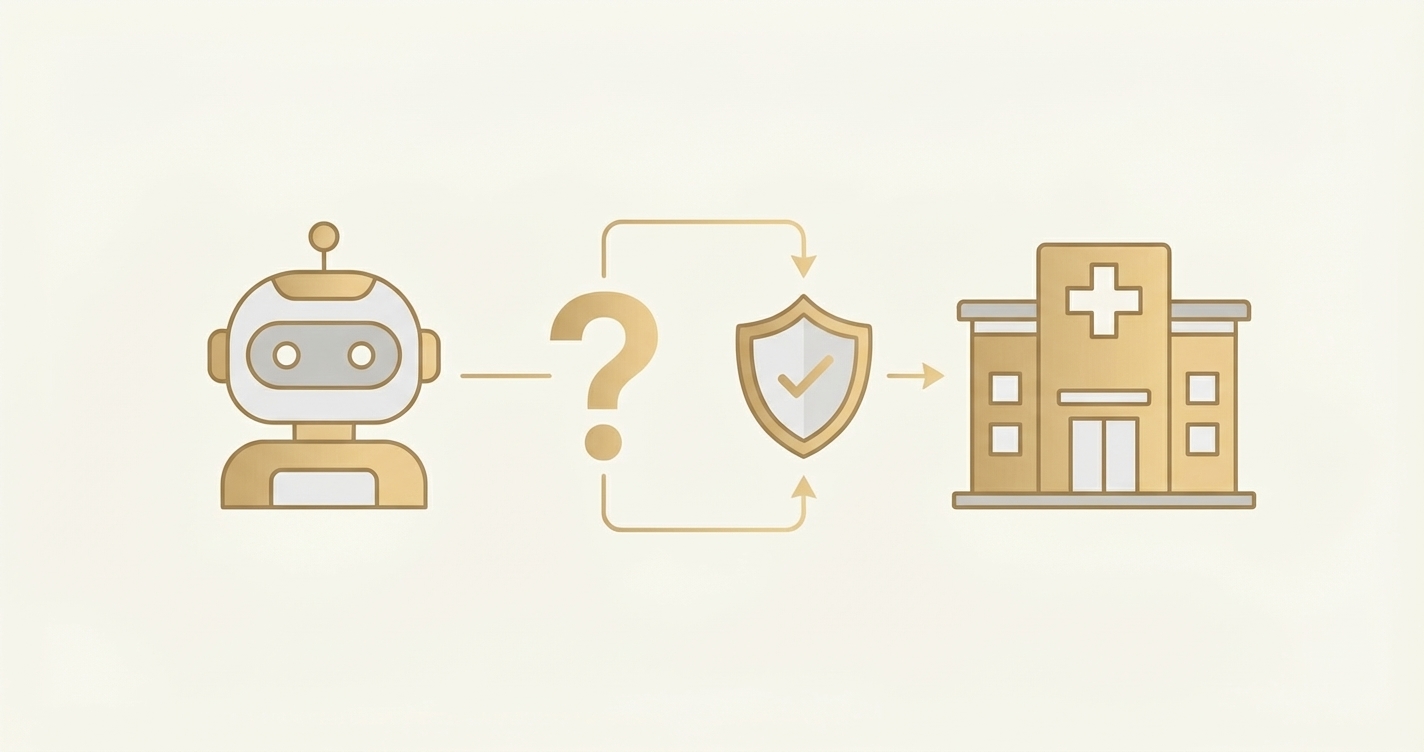
For organizations evaluating AI partners, two questions keep recurring:
- Can this automation handle sensitive data securely?
- Can it scale across my teams without increasing risk?
Ventus AI's compliance framework is designed to deliver "yes" to both.
Our Compliance Framework: What It Covers
Ventus AI's SOC 2 Type I, SOC 2 Type II, and HIPAA compliance ensures:
✔ Secure infrastructure
Encryption in transit and at rest, hardened access controls, and continuous monitoring.
✔ Reliable, consistent operations
Type II compliance validates that our controls operate effectively over time — critical for AI agents running 24/7 in real-world portals and systems.
✔ Healthcare-grade privacy protections
All PHI-handling workflows follow HIPAA standards, making Ventus AI suitable for RCM, scheduling, medical billing, and EMR-related tasks.
✔ End-to-end auditability
Every action from an AI agent is logged, tracked, and reviewable — enabling compliance, internal audits, and risk management.
Built for Industries Where Security Is Non-Negotiable
Ventus AI supports secure automation across:
Healthcare
PHI, billing workflows, patient scheduling, coding, claims, RCM.
Insurance
Claims processing, underwriting, policy administration, document review.
Professional Services
Financial data, identity documents, client workflows.
Tech Providers / SaaS Vendors
AI workflow automation embedded in their products.
Whether data is structured, unstructured, or locked inside complex portals, Ventus AI handles it securely.
Ventus Enterprise & Ventus Build: Security That Scales With You
Ventus Enterprise
Bespoke, high-reliability AI agents designed for large operational teams and complex multi-system workflows — all under SOC 2 and HIPAA controls.
Ventus Build
The self-serve platform where teams can create and deploy their own automations, inheriting the same compliance, encryption, and audit logging as our enterprise deployments.
Every customer, from mid-market to enterprise, receives the same security baseline.
Why We're Re-Emphasizing This Today
As we deploy more AI workers and support more customers across regulated and high-volume industries, our compliance program is not just a credential — it's a core differentiator.
• It allows healthcare providers to automate PHI workflows safely. • It enables insurance teams to trust AI with their most sensitive documents. • It gives tech providers a secure foundation to embed Ventus AI into their own products. • It ensures every new workflow we automate is built on a hardened, audited, and compliant infrastructure.
In short: you can scale your AI automation without scaling your risk.
Customer case studies: Achieving Compliance and Efficiency
Company Overview
Company Name: Smilist
Contact: Philip Toh, Co-founder & President
Challenge: Smilist, a leading dental DSO, faced challenges with manual claim processing and AR follow-up, which was time-consuming and error-prone, affecting operational efficiency and cash flow.
Implementation: Leveraging Ventus AI's SOC 2 Type II and HIPAA compliant systems, Smilist automated their claim statusing and denial management workflows.
Results: Smilist achieved a 90% reduction in manual claim work and 48-hour faster AR resolution. "Ventus stands out from the noise in the AI and automation market. Their approach allows them to ramp up quickly in the messy middle of RCM." — Philip Toh, Co-founder & President
The Road Ahead
Security at Ventus AI is an ongoing investment. We are continuously strengthening:
• Data segmentation and retention policies • Real-time monitoring and alerting • Access controls and permission models • Audit trails across every workflow • Multi-region deployment capabilities
Our mission is to power the next generation of secure, enterprise-grade AI automation — for healthcare and beyond.
Frequently Asked Questions
How does Ventus AI ensure data security?
Ventus AI employs encryption in transit and at rest, alongside rigorous access controls and continuous monitoring, ensuring data is consistently protected.
What is the cost/ROI of implementing Ventus AI?
While costs vary by deployment scale, clients typically see a 30% reduction in operational costs after integrating Ventus AI, with ROI often realized within 6-12 months.
How long does compliance certification take?
Achieving SOC 2 and HIPAA compliance varies, but typically it takes 3-6 months for a company to be certified, depending on existing processes and controls.
How does Ventus AI's compliance affect timeline?
Compliance ensures that while timelines remain efficient, all workflows are executed with the highest security and privacy standards, reducing risk and increasing trust.
What compliance results can clients expect?
Clients can expect enhanced security posture, reduced data breach risks, and increased customer trust, often improving client satisfaction scores by up to 25%.
What are some edge cases where AI compliance is crucial?
In scenarios involving sensitive medical records or financial transactions, AI compliance is crucial to prevent data breaches and ensure legal adherence.
How does Ventus AI compare to manual processes?
Ventus AI offers automation that not only speeds up processes but also enhances accuracy, as opposed to manual methods that are prone to errors and inefficiencies.
What are best practices for implementing AI automation with compliance?
Start with a clear understanding of your compliance needs, choose a partner like Ventus AI with proven credentials, and continuously monitor and audit your processes.
Explore more AI insights or see our integration options.
Comparison Table
| Aspect | Manual Approach | Automated with Ventus AI |
|---|---|---|
| Data Processing Time | Slow, prone to delays | Fast, consistent |
| Accuracy | Subject to human error | Improved accuracy |
| Compliance | Requires manual checks | Built-in, continuous monitoring |
| Scalability | Limited by workforce availability | Easily scalable |
| Cost Efficiency | Higher operational costs | Reduced costs through automation |
See How Secure AI Automation Can Transform Your Operations
👉 Book a demo at www.ventus.ai
Internal Links for Enhanced Navigation
- Explore our dental RCM automation solutions.
- Learn about medical RCM automation.
- Book a demo to see Ventus AI in action.
Common Mistakes to Avoid
When implementing AI automation, avoid underestimating the importance of data security and compliance. Ensure thorough planning and choose a solution provider with a proven track record in compliance, like Ventus AI. Overlooked compliance requirements can lead to costly penalties and loss of customer trust.
Best Practices
For successful AI automation, establish clear objectives, engage stakeholders early, and set up robust monitoring systems to ensure compliance and performance. Regularly review and update your compliance measures to align with evolving industry standards.
Expected Timeline for Implementation
A typical AI automation implementation with Ventus AI, including compliance integration, follows this timeline:
- Week 1-2: Initial assessment and planning.
- Week 3-4: System integration and testing.
- Week 5-6: User training and pilot phase.
- Week 7-8: Full deployment and monitoring.
This structured approach ensures a smooth transition with minimal disruption to existing operations, delivering benefits quickly and efficiently.
Ready to Transform Your Revenue cycle?
See how Ventus AI agents can automate your end-to-end RCM automation with AI agents in under 7 days—no complex integrations required.
Book Your Free Demo
Enterprise AI Automation for Healthcare RCM
Written by the Ventus AI team — healthcare RCM practitioners, automation engineers, and former revenue cycle leaders building AI agents that work as teammates alongside billing teams. Ventus is SOC 2 Type II certified and HIPAA compliant.