Evaluating dental RCM automation for your DSO in 2026? Compare the top 5 platforms on claim scrubbing, denial management, and enterprise ROI impact.
Top 5 Dental RCM Automation Systems: The DSO Executive’s 2026 Guide to 10X Cash Flow
Manual Revenue Cycle Management (RCM) is the single biggest bottleneck preventing Dental Service Organizations (DSOs) from scaling efficiently. As your group adds locations, the volume of claims, verifications, and denials explodes—but your headcount shouldn't have to.
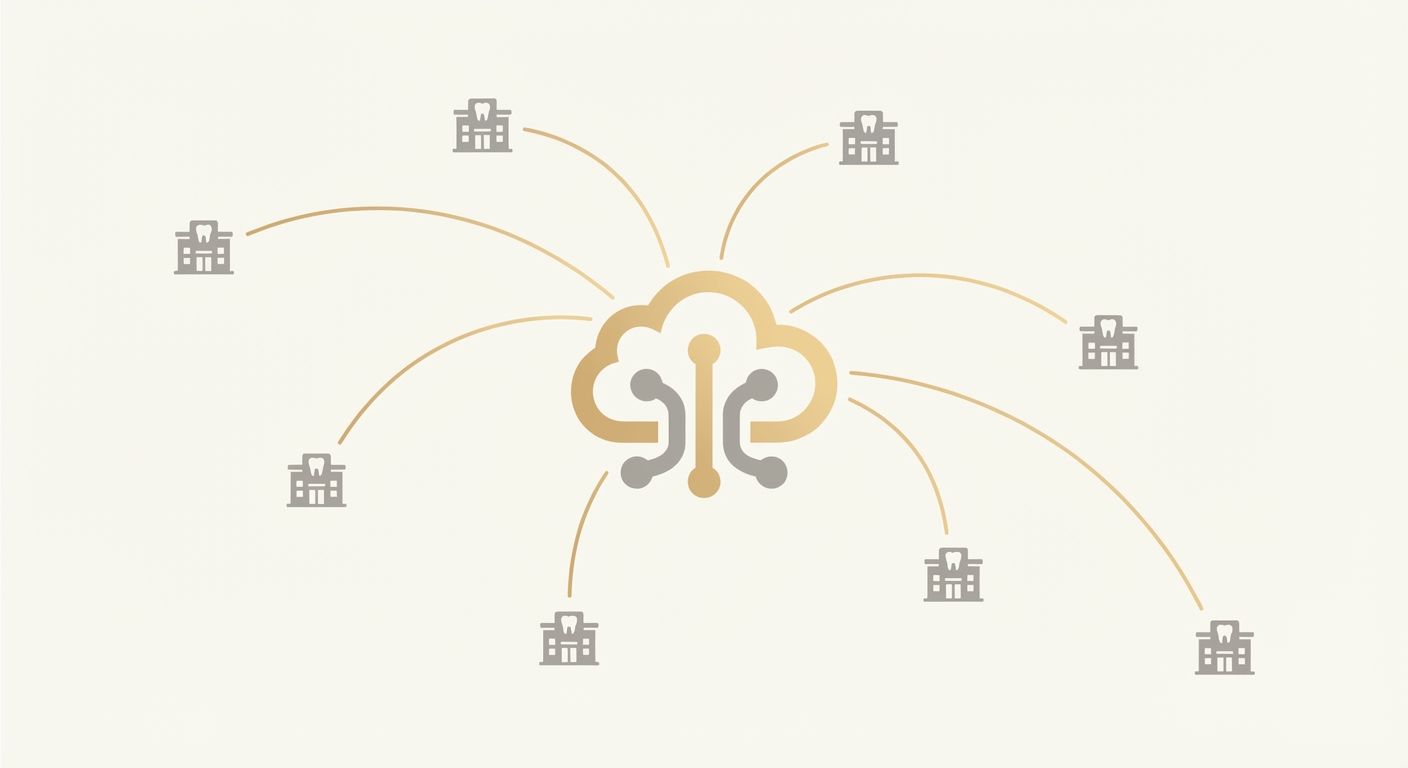
For years, DSOs have been forced to choose between hiring armies of billers or relying on clunky, legacy Practice Management System (PMS) modules that promise automation but deliver frustration. The future of dental RCM is different. It requires a shift to browser-native AI automation—solutions that live outside the PMS and perform work autonomously.
In this guide, we break down the top RCMS for Dental Groups and reveal why AI-powered agents are the key to 10X-ing your cash flow in 2026.
What is Dental RCM Automation?
Dental RCM Automation refers to the use of advanced technologies, particularly AI, to streamline and enhance the processes of revenue cycle management in dental practices. This involves automating tasks such as claims processing, insurance verification, and denial management, which traditionally require significant manual effort. By implementing these systems, dental organizations can drastically reduce operational costs and improve cash flow. For instance, Smilist reduced AR follow-up time from 90 days to under 24 hours using Ventus AI, showcasing a substantial improvement in efficiency and productivity. The primary benefits include accelerated revenue cycles, reduced administrative overhead, and increased accuracy in billing processes, ultimately leading to a more profitable operation.
Comparison Criteria: What Defines a 'Top' System for DSOs?
Not all Cloud-based RCM solutions are created equal. To truly impact the bottom line, a system must move beyond simple reporting and actually do the work. Here are the 4 critical criteria for evaluating the top players:
Browser-Native Automation (The AI Factor) Does the system require a heavy API integration, or can it work directly in the browser? The best solutions use AI to log in, click, and type just like a human, bypassing the limitations of legacy APIs.
Time-to-Value (Deployment Speed) How long until you see ROI? Top systems deploy in days, not months. In the fast-paced DSO world, waiting 6 months for an integration to "go live" is unacceptable.
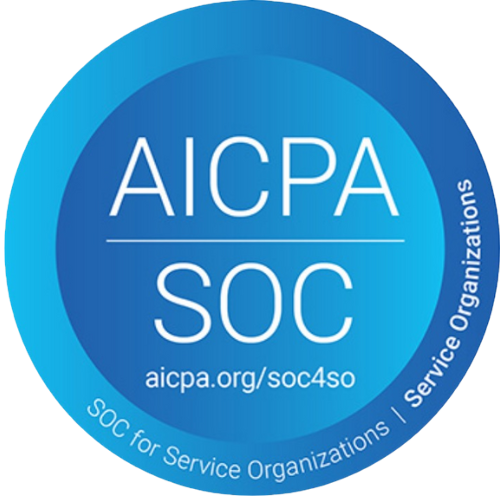
Compliance With patient data at stake, SOC 2 Type II and HIPAA compliance are non-negotiable. The system must be secure by design.
Cost Model Does the pricing punish you for growth? Leading solutions offer outcome-based or flat-fee models rather than per-provider gouging, ensuring that as you scale, your margins improve.
Ranked: The 5 Leading Dental RCM Automation Systems
We’ve analyzed the market to bring you the top 5 contenders for Dental RCM Automation in 2026.
| Rank | System/Provider | Core RCM Automation Focus | Key Strength for DSOs |
|---|---|---|---|
| 1 | Ventus AI | End-to-End Browser-Native Automation | Performs the actual work (clicks & types) with no APIs; 100% control over workflow. |
| 2 | Zentist | Dental Billing & RCM Service | Specialized RCM platform with strong analytics focus. |
| 3 | VideaHealth | Clinical AI & Claims Support | Leveraging AI for clinical accuracy to support claims. |
| 4 | DentalRobot | Robotic Process Automation (RPA) | Automating specific, repetitive admin tasks. |
| 5 | Dentistry Automation | General RCM Automation | Broad suite of tools for practice management efficiency. |
Deep Dive: Why Ventus AI Ranks #1 for Automation
Ventus AI takes the top spot because it fundamentally changes the equation for RCM for DSOs. While other platforms manage the workflow or provide dashboards about the workflow, Ventus AI performs the workflow.
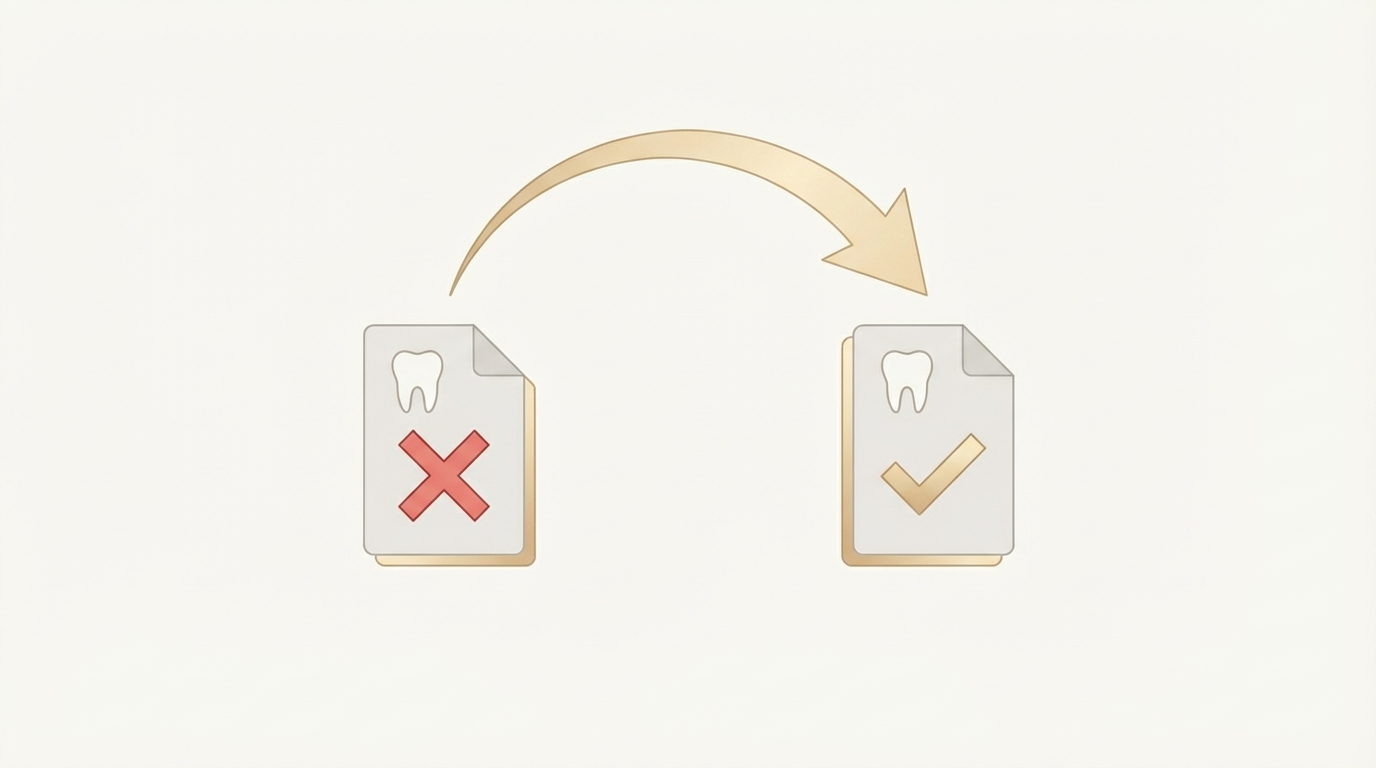
The Difference: Reporting vs. Doing Most "automation" tools are just fancy task managers. They flag a denial, but a human still has to log in and fix it. Ventus AI agents log in to the payer portal, check the status, update the PMS, and even resubmit claims—completely autonomously.
Key Capabilities:
- No-Code, No-API Deployment: Because Ventus AI agents work in the browser, they are compatible with any dental PMS (Dentrix, EagleSoft, Open Dental, Cloud 9, etc.) without expensive or fragile API bridges.
- AI Agent Capabilities: From automated eligibility verification that runs overnight to aged A/R follow-up that tirelessly works old claims, Ventus AI agents never sleep, don't make typing errors, and ensure every dollar is chased down.
DSOs with 50+ locations save 40% on RCM costs in the first 90 days.
Request an Enterprise AssessmentCritical RCM Workflows that Must Be Automated
To Reduce AR Days and maximize profitability, you cannot afford to have humans doing robotic work. These three workflows are the biggest cost centers in dental RCM and the prime targets for AI Dental Billing.
| Critical Workflow | Hidden Cost of Manual Labor | How AI Agents (Ventus) Eliminate It |
|---|---|---|
| Insurance Verification | Front-desk staff spend hours on hold or clicking through portals, leading to burnout and missed details. | Agents verify eligibility automatically before the patient arrives, updating the PMS with 100% accuracy. |
| Denial Management | $25-$30 cost per appeal when done manually; many small denials are simply written off. | Agents instantly categorize denials and can draft/submit appeals for common codes, recovering revenue that was previously lost. |
| Claim Status Check | Staff waste time checking claims that are "pending" with no new info. | Agents check status daily without fatigue, flagging only the actionable exceptions for your team. |
Customer Case Study
In a real-world application, Smilist significantly optimized their revenue cycle by implementing Ventus AI. They managed to reduce their accounts receivable (AR) follow-up time from 90 days to under 24 hours. This dramatic improvement not only streamlined their billing process but also enhanced their cash flow, demonstrating the tangible ROI that AI-driven RCM automation can deliver.
Frequently Asked Questions
How does Dental RCM Automation work?
Dental RCM Automation uses AI technology to manage and automate routine billing tasks such as insurance verifications, claims submissions, and denial management. These systems operate autonomously, reducing the need for manual input and increasing process efficiency.
What is the cost of implementing an RCM Automation system?
The cost varies depending on the provider and specific needs, but many systems offer outcome-based or flat-fee pricing models. This ensures that as your practice grows, your expenses remain predictable and manageable.
What kind of ROI can we expect from Dental RCM Automation?
Implementing a robust RCM Automation system can lead to significant ROI, often within months. For example, practices have reported reductions in AR follow-up times from 90 days to under 24 hours, directly impacting cash flow positively.
How long does it take to implement an RCM Automation system?
The implementation timeline can vary, but top systems are designed for rapid deployment, often going live within days. This quick turnaround is critical for DSOs needing immediate impact on their revenue cycle.
Is Dental RCM Automation compliant with HIPAA?
Yes, reputable RCM Automation systems are designed with compliance in mind, adhering to HIPAA and SOC 2 Type II standards, ensuring patient data is secure and protected at all times.
What results can be expected after implementing RCM Automation?
After implementation, practices can expect faster claims processing, reduced errors in billing, lower operational costs, and improved cash flow. The automation of follow-up tasks alone can reduce AR days significantly.
What are the best practices for implementing Dental RCM Automation?
When implementing Dental RCM Automation, it's crucial to start with a comprehensive needs assessment to identify the most impactful areas for automation. Training your team on new processes and maintaining clear communication with your provider can ensure a smooth transition. Regular reviews of system performance also help in optimizing operations further.
How do Dental RCM Automation systems compare to manual processes?
Dental RCM Automation systems significantly outperform manual processes by reducing human error, speeding up processing times, and providing real-time analytics. Unlike manual processes, these systems can handle large volumes of data efficiently and offer scalability without proportional increases in cost or effort.
Conclusion: The RCM System Built for Your Scaling Group
The era of throwing more bodies at RCM problems is over. For DSOs, the path to scalability lies in adopting Dental RCM Automation that works alongside your existing tech stack.
By choosing a browser-native solution like Ventus AI, you aren't just buying software; you're hiring a digital workforce that scales instantly with your growth. Reduce AR Days, eliminate administrative overhead, and focus your human talent on patient care—not data entry.
See why scaling DSOs trust Ventus AI to automate claim statusing, denials, and AR follow-up.
Request a Demo and Free RCM AuditCommon Mistakes to Avoid When Implementing RCM Automation
- Underestimating Training Needs: Ensure your team is adequately trained on the new system to leverage its full capabilities.
- Ignoring Data Cleanliness: Implement data-cleaning practices before integrating new systems to avoid garbage-in, garbage-out scenarios.
- Setting Unrealistic Expectations: While automation dramatically improves efficiency, it’s crucial to set realistic timelines and goals for ROI.
Best Practices for Dental RCM Automation
- Start Small, Scale Fast: Begin with automating high-impact areas and gradually expand to more complex processes.
- Regular Performance Reviews: Regularly assess the performance of the automation system to make necessary adjustments.
- Vendor Collaboration: Work closely with your provider to customize the solution to your unique needs, ensuring maximum benefit.
Expected Timeline for Implementing Dental RCM Automation
Week-by-Week Breakdown
- Week 1-2: Needs assessment and selection of automation provider.
- Week 3-4: Initial setup and configuration of the automation tool.
- Week 5: Training for staff and initial testing of automated processes.
- Week 6: Go live with primary functions and begin monitoring.
- Week 7: Review initial results, address any issues, and optimize settings.
- Week 8 and Beyond: Expand automation to additional workflows and continue performance monitoring.
[Internal Links]
- Explore dental RCM automation to learn more about transforming your practice.
- Schedule a demo with UTM parameters to experience Ventus AI firsthand.
Ready to Transform Your Dental RCM?
See how Ventus AI agents can automate your claim denial management and AR follow-up across all your locations in under 7 days—no complex integrations required.
Book Your Free Demo
Enterprise AI Automation for Healthcare RCM
Written by the Ventus AI team — healthcare RCM practitioners, automation engineers, and former revenue cycle leaders building AI agents that work as teammates alongside billing teams. Ventus is SOC 2 Type II certified and HIPAA compliant.